
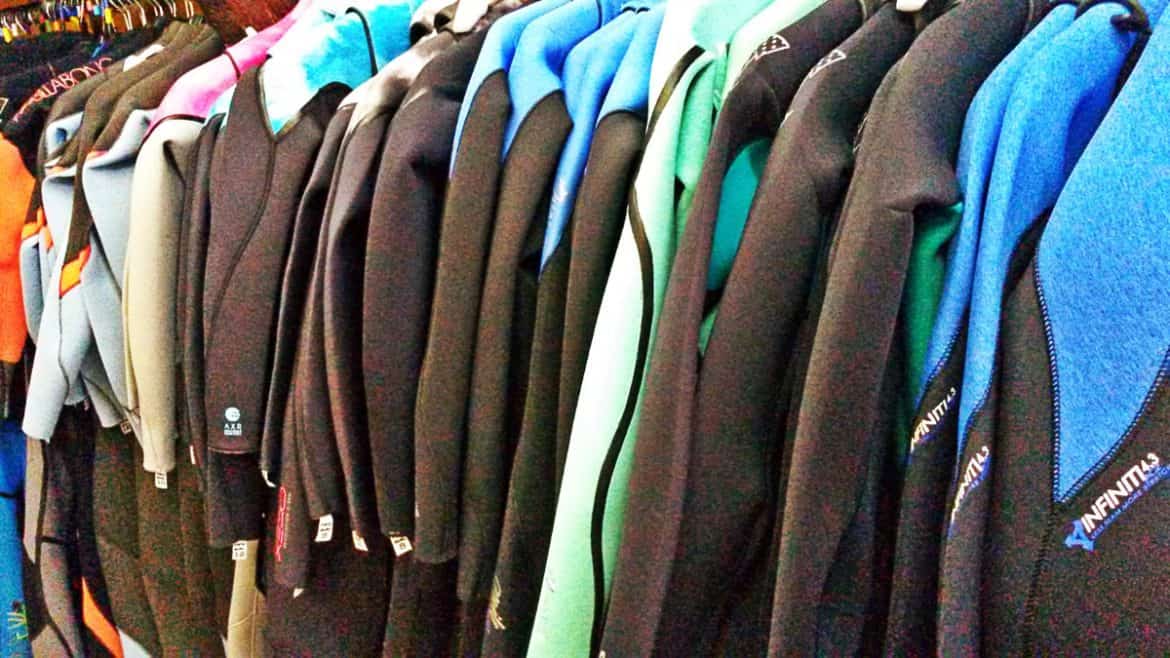
Table of Contents
Intro
A complete wetsuit guide: how wetsuits work, how are they made and stitched, what is neoprene, types of neoprene, and other features that modern suits have. Read this before you buy your next wettie.
NOTE: This wetsuit guide is based on our experience with surfing wetsuits. There are many other wetsuits for different sports and water activities, but with the popularity of surfing, money invested by the big surf wear companies and the fact that surfing is very demanding of the suit, surfing wetsuits are among the best and most versatile ones out there. Surfing demands an unlimited range of movement, warmth for long surf sessions in cool water and a cool look. Therefore this wetsuit guide can be easily also used for wetsuits for windsurfing, kite surfing, wake boarding, rafting, swimming, rafting, kayaking etc. Only suits designed for scuba diving are a bit different, a few reasons why they are different will be listed below. But still neoprene is neoprene and you can learn a lot from this guide even if you are looking for scuba suit. BTW, if you don’t feel like reading there is a video that sums up this article at the end.
Neoprene
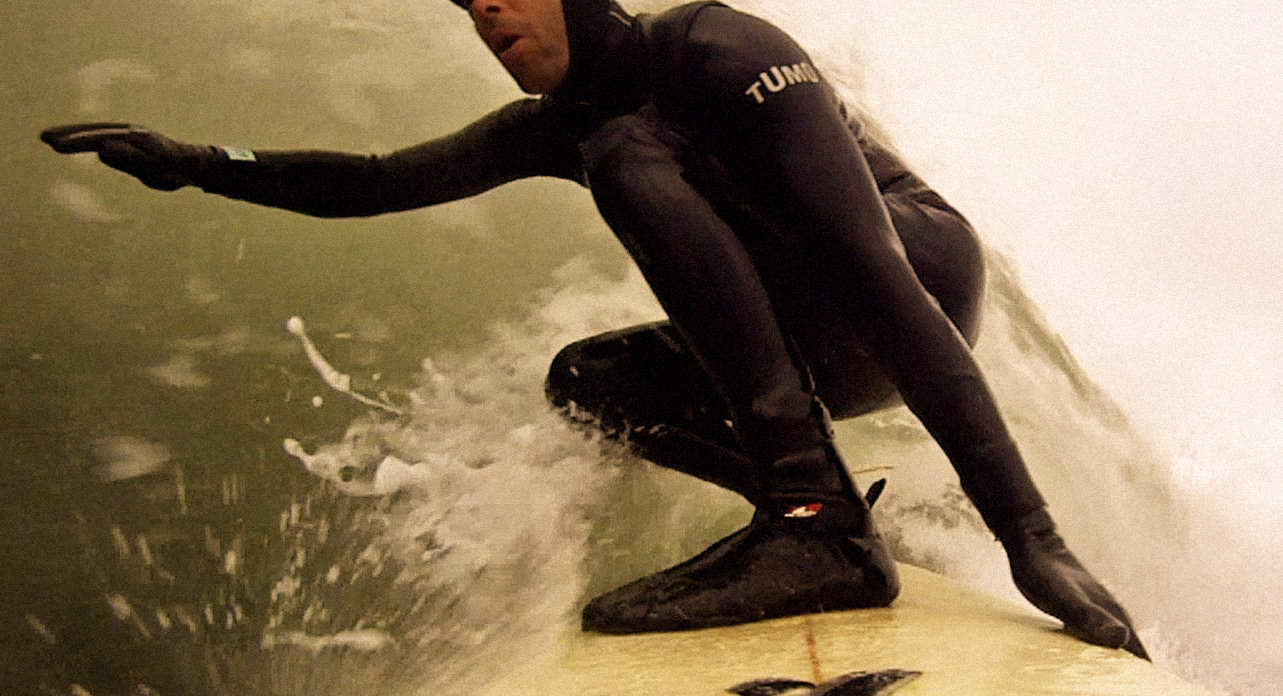
Wetsuits – also called neoprene suits are made (surprisingly) from neoprene.
What is neoprene?
The correct chemical name for this material is actually polychloroprene. It was named neoprene by DuPont when the were choosing a trade name for this material and the name stuck. Today all polychloroprene material out there is called simply neoprene. What is it? It is an elastic synthetic rubber material with very good insulation properties thanks to millions of microscopic bubbles (the micro cells) trapped inside of the material. These cells are filled with either air or nitrogen gas (better insulator). These bubbles make up the basic insulation of neoprene.
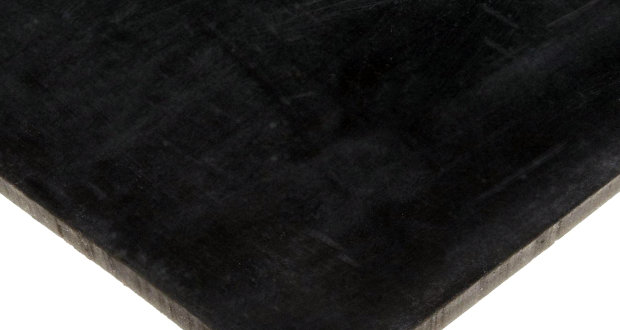
When you break it down it is based on oil and not the most eco friendly material out there. There are some people that are allergic to neoprene itself or to substances used in its production. One of these substances ethylene thiourea (ETU) has been classified as reprotoxic.
Alternatives?
Limestone Based Neoprene
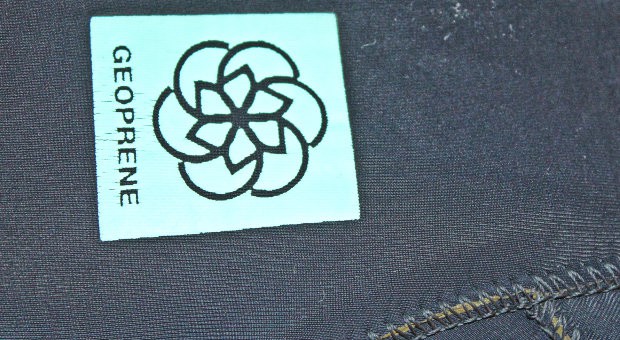
Lately a more eco friendly version of limestone based neoprene called geoprene (it’s a Matuse proprietary name for limestone neprene, but it kind of sticked) also became available. Besides being somewhat better for the environment (the manufacturing process is still nowhere near 100% clean) it also absorbs less water, is warmer, less water impermeable, and lasts longer. Not all companies use this type of neoprene in their suits. At the moment Matuse, Patagonia and West are the most well known ones. Apart from the mentioned benefits it can also be an alternative for people who can’t use neoprene suit because of allergies, but I guess it depends on what exacts substance you are allergic to. To learn more about geoprene, here is an article I wrote about this material with all the pros and cons.
Plant Based Neoprene
In recent years Patagonia has been working on plant based neoprene called Yulex. Yulex is a natural rubber made out of a plant. This makes it way more environmentally friendly as it has a lot less impact on the environment than regular neoprene. Patagonia has been kind enough to offer the technology to other wetsuit manufacturers but so far at the moment this wetsuit guide is being refreshed no other companies are using it. As with limestone based neoprene, Yulex (proprietary name of Patagonia) might be a good option if you are allergic to regular neoprene.
Wetsuits
Types
Considering which body parts the neoprene covers we have the following types of wetsuits:
- Top – neoprene only covers your upper body
- Shorty – neoprene only covers the body and upper parts of the arms and legs
- Spring suit – neoprene covers the body and usually legs and upper arms, but vice versa combination is also possible – neoprene entirely covers the arms and only upper parts of the legs.
- Full suit – neoprene covers the body, arms, and legs to your wrists and ankles and possibly also the head when it has an integrated hood.
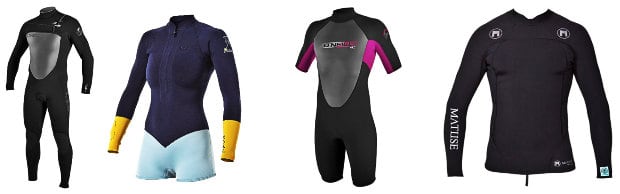
When it gets really cold and a wetsuit alone is no longer enough you will also need neoprene hoods, gloves and booties.
Wetsuit Warmth vs. Wetsuit Flexibility
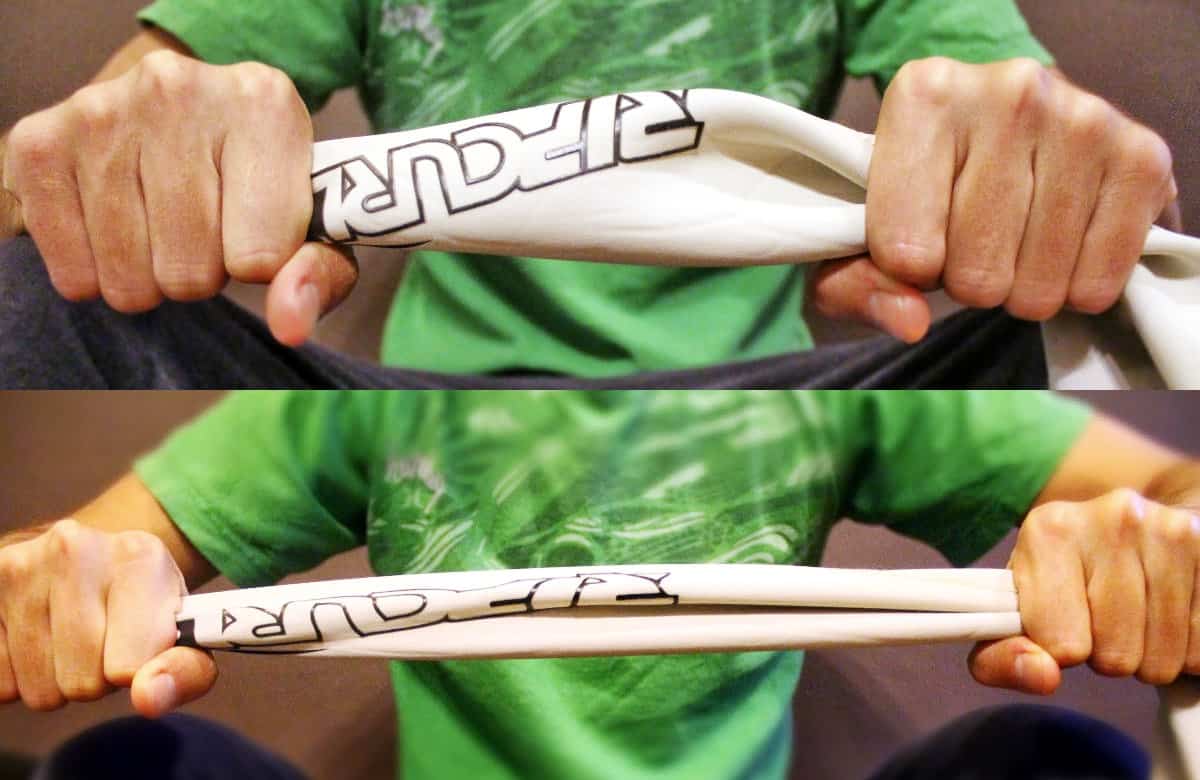
Even though wetsuits made it possible to enjoy water sports in cold places where you wouldn’t think entering the water without instant hypothermia was even possible, the best wetsuit would still be not wearing one at all :). Oh, the freedom of movement! Even the thinnest material on your body makes it harder and more tiring to move. The thicker the neoprene the more energy it sucks out of you. That is why we always want to find balance between warmth and flexibility. Wearing the thinnest suit possible while still staying warm.
This is why the goal of all manufacturers is to make their suits warmer without making them thicker and more flexible without making them thinner.
BTW: If you want to learn who invented the first wetsuit and stuff like that, click here.
How does a wetsuit work?
The basic thing that wetsuit does to keep us warm is this – it catches a thin layer of water between our skin and the neoprene. Body heat warms this layer of water and we are all warm and comfortable in the freezing surroundings. The better the fit, the warmer we are. Because every time we fall, wipe out, duck dive, get our asses kicked by the white water etc… cold water wants to enter the suit and flush the warm water out. That is how we get cold. Cold water can penetrate:
- Obviously through holes for your head, hands and feet.
- Through stitches that keep the neoprene panels together.
- Through the zipper.
BUSTING THE MYTH: With this ‘thin layer of water’ being mentioned in every other ‘how wetsuits work’ explanation let’s get one thing clear. You would be warmer if absolutely NO water would get into the wetsuit. Water conducts body heat away up to 26 times faster than air so no water just air would be heaps warmer. But since you are wearing it in water and it is impossible to get a perfect seal unless you are wearing a drysuit some water WILL get in, it WILL create a thin layer and you will still be warm. There is no need to let water in for the wetsuit to function properly. The insulation properties of it that depend on the thickness of the neoprene will do the job.
Features
Thickness
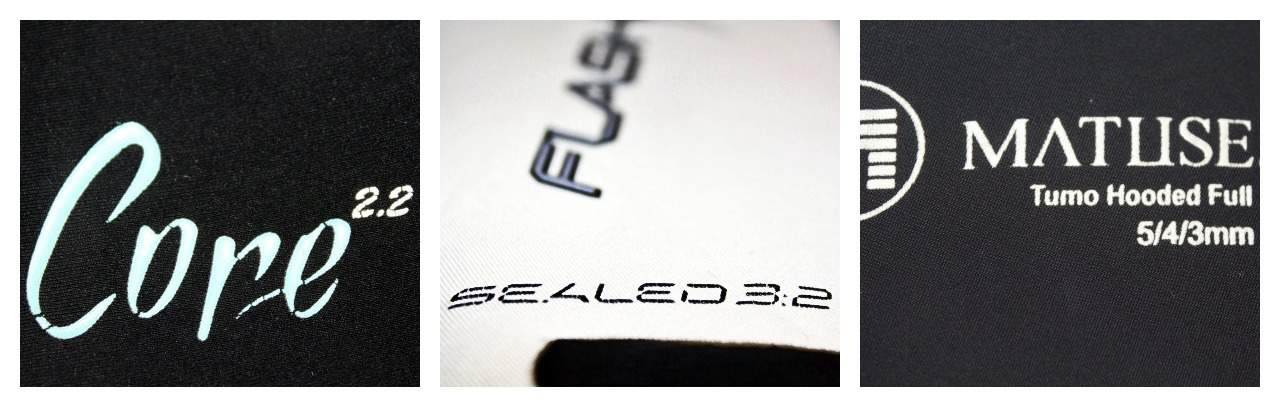
Wetsuit thickness or better the thickness of the neoprene is the insulation between us and the forces of nature that provide us with fun environment for our sport. The thicker the warmer! It is usually given with two numbers like 3/2, 4/3, 5/3, or three numbers like 5/4/3. These numbers tell us that neoprene panels of different thickness are used. In 3/2 thickness of the neoprene is 3 millimeters on the body and legs and 2 millimeters on arms. The goal of this variable thickness is better and easier movement. Parts that move a lot and where thick neoprene would cause us to tire quickly are made thinner. Same logic applies to 4/3, 5/4/3 etc…
Divers are an exception, they usually have only one thickness. They do not have to move much (and in fact should not, they want to keep the heart rate low to use less oxygen ) and their range of movement is much smaller than lets say when paddling a surfboard. This is why they don’t need thinner panels on their suits. Even more – because they are less active and because neoprene looses some insulation capabilities when the pressure underwater increases scuba diving wetsuits are generally thicker.
How thick wetsuit should you buy?
You need to ask yourself where and when are you going to use it? The location and the season more or less determine the water temperature and that is the main factor if you want to avoid freezing your ass. Other things to be aware of are air temperature, wind, your cold sensitivity and activity. What you want is a wetsuit that will be just warm enough, if it’s too thick you will just tire yourself faster.
Generally a 3/2 wetsuit is suited for summer and autumn, while 4/3 and 5/3 keeps us warm in winter and spring. Dry suits and those with neoprene thicker than 5mm (OK, with exception of some surfers in Norway, Alaska and other really cold places that surfing has spread to) are to clumsy to surf or do any other sport that requires lots of movement. Neoprene thicker than 5 – 6mm is used only in diving suits.
If you tend to travel to different places we generally find a long wetsuit to be more versatile and useful than a shorty. Then again, if you are lucky enough to live on an tropical island and surf in sun and warm water and you consider a day with temperatures below 75F/24 C to be a cold one, then you can stop reading this guide (you lucky son of a… ).

NOTE: To learn more about the required thickness for specific water temperature ranges check this chart dedicated solely to choosing the right wetsuit thickness. And this one if you are a diver. There is also lots of useful info in both articles.
Flushing, sizes, and perfect fit
Cold water wants to get into your wetsuit. That is why the most important thing to look for when buying one is the right size. The better it fits, the less flushing we get and the less place we leave for the cold water. Even the best, warmest, high-tech, feature packed wetsuit won’t help, if its to big. This might be the most important feature of this wetsuit guide…and it is not even a feature:). Lucky for us, the modern neoprene is stretchy and elastic so it fits and hugs our body better that ever.
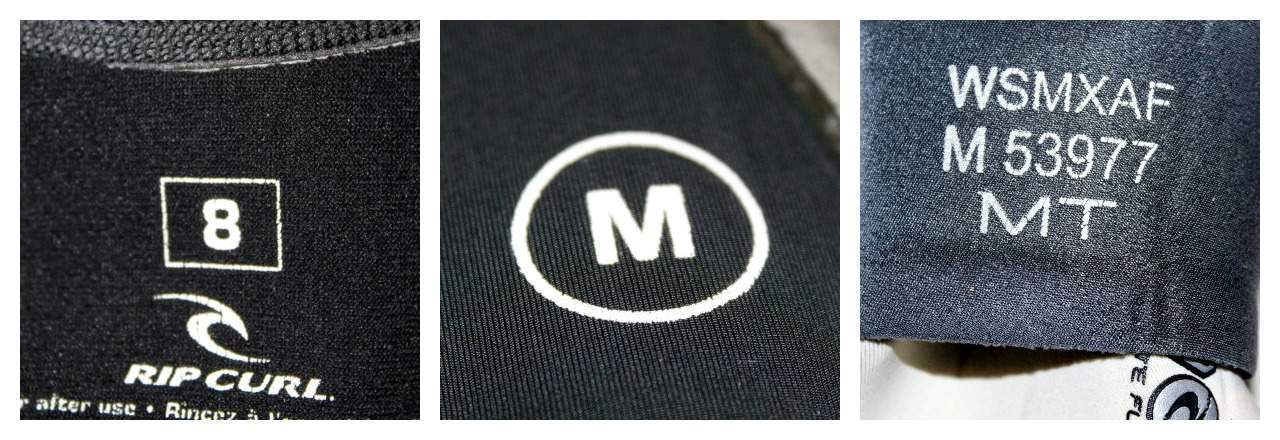
When trying it on it will probably be dry (if you’re not buying it from someone’s back) – wet neoprene is looser and feels a bit bigger than dry neoprene. So if a dry neoprene feels a little tight it is very likely that a wet one won’t. When you put it on it should really feel snug but without making you crouch. If it makes you all shriveled and unable to breathe then yes, it’s too small :). So try to get the right size. Here is a bit more detailed article on sizes.
The science behind wetsuit stitches
Now we are moving on to the next flushing factor – the stitches. The deal on stitches is simple – to stitch neoprene together you need a thread and a needle. Needle makes holes in neoprene. Water and wind use holes to get inside. Less holes through the neoprene – warmer wetsuit.
Over lock stitch
Over lock stitch is the thing of the past or maybe it is still the thing of the cheap, thin tourist wetsuits. You can recognize it by the big stitches on the inside that stick out of the neoprene and can therefore also be uncomfortable. Over lock stitch is very strong, but leaves a lot of needle holes for water and wind to get in.
Conclusion: cheap, durable, strong, for summer use, for beginners (not very flexible).
Flat lock stitch
Is what replaced over lock stitches. It looks better and the wetsuit is more comfortable, but the stitch itself leaves the same amount or even more holes. No improvement for warmth here. Flat lock stitch is strong, but the thread is exposed on the outside and more likely to tear.
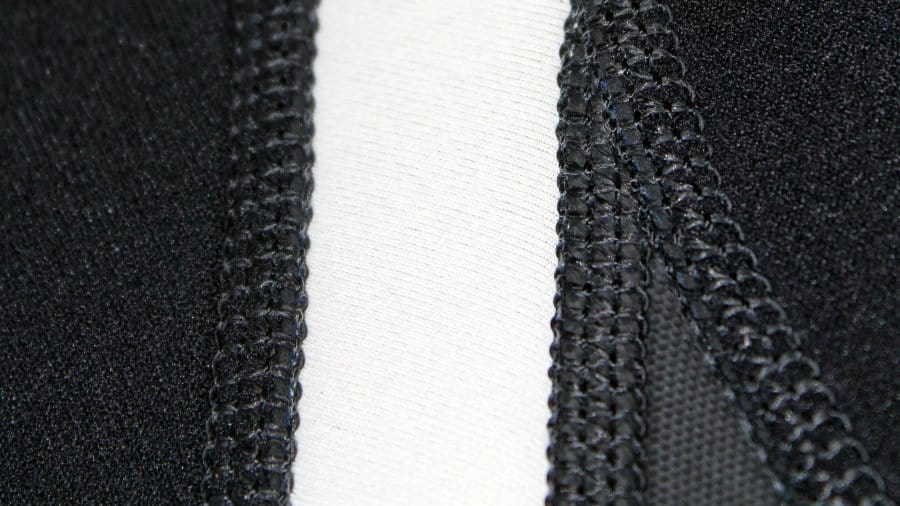
Conclusion: still pretty cheap, strong and durable, good for summer surfing, also good performance for demanding surfers (flexibility).
Blind stitch
Blind stitch is the stitch for the warm wetsuits. It has more versions that have different effect on warmth, durability, flexibility and price. Wetsuits that are made using blind stitches which are “waterproof” are called steamers.
Basic blind stitch & glued
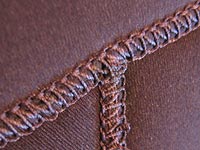
All wetsuits that have blind stitch are made in a similar way. First the neoprene is glued together. Then a curved needle brings the thread through the neoprene in such way, that it exits on the same side that it went in, without punching through. The result is watertight stitch with no holes that would go all the way through. But there is a problem. The elasticity of the neoprene is different from the elasticity of the glue. And together with salt water and sun the glue cracks up and opens the stitch from the inside. That means you have to repair the stitches.
On the picture you can see the blindstitch from the outside, on the other side you can not see the thread, just glued neoprene panels.
Conclusion: warm, flexible (of course also depending on the neoprene type and thickness), variable durability and expensive.
Blind stitch, glued & spot taped
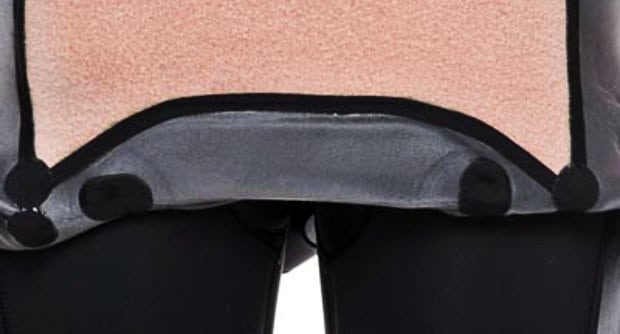
Same as above with the addition of taping the stress points of the wetsuit. Stress points are places where three or more stitches come together. This stitch is common with super stretchy high performance wetsuits, where performance is more important than durability. Extra taping on the stress points is used with most seams except maybe with overlock and flatlock.
Double blind stitch & glued
Double blind stitch is first sewed the same way as the above basic blind stitch. Then the neoprene is turned around and is sewed again from the other side. This is a good compromise used with cheaper winter wetsuits. The problem is that sometimes holes from stitches from one side link to holes from the other side and we have some holes that go the whole way through the neoprene. And again we get some flushing.
Conclusion: warm, flexible (of course also depending on the neoprene type and thickness), durable and reasonably priced.
Blind stitch, glued & fully taped
All the inner parts of stitches are completely covered and glued at high temperature and with special tape. That means no opening of the stitches and no water. This type of stitch is very time consuming to make and therefore expensive.
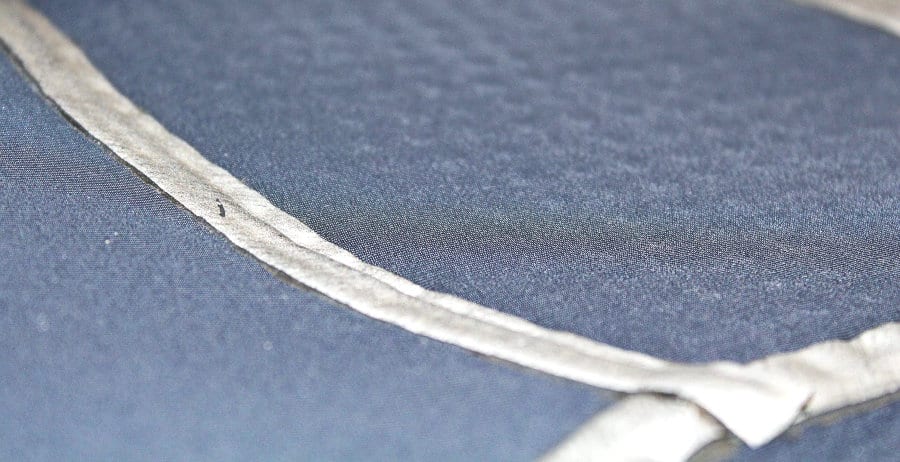
Conclusion: very warm, OK flexibility (not the best), durable and expensive.
Blind stitch, glued & fully taped with neoprene tape
Instead of taping the stitches with special tape at high temperature they are taped with glue and neoprene tape. This eliminates the lower flexibility of the taped stitches.
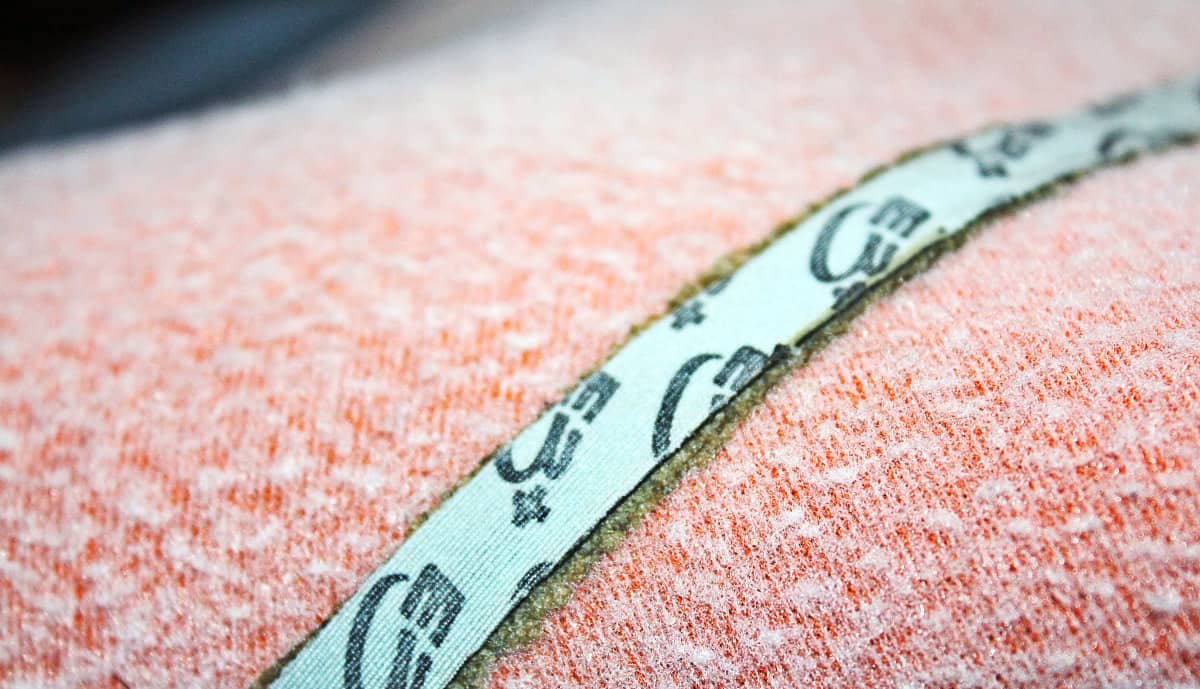
Conclusion: very warm, flexible (of course also depending on the neoprene type and thickness), durable and very expensive.
Liquid taping / Liquid seal

Also called S or Super Seal or something else, depends on which company uses it. Special rubber is used when sewing the neoprene to seal the inner or/and outer side of the stitches. That makes them stronger and additionally closes any holes. 100% waterproof stitches!
Stitchless / Seam less / Fusion
The newest thing in stitching neoprene is not stitching it at all. No stitches no holes! Advances in glues and technology allow the neoprene panels to be fused and glued together and be strong enough to withstand everyday abuse. The glued ‘stitch’ is then liquid taped to make it stronger.
Having no stitching has 2 major benefits: 1. It allows the seam to stretch further and 2. It eliminates pin hole leaking – which means that a suit using stitchless technology is both stretchier and warmer.
So basically now you are doctor of stitching neoprene together and know more than enough about them. Every year companies come up with new ways of stitching and gluing neoprene, some more useful some less, but these are the basics. Now we move on to the third flushing factor – the zipper.
There is also a cool article on how wetsuits are made here.
Wetsuit design and neoprene panels
This one is kind of connected to stitching. Manufacturers want to minimize the number of different neoprene panels that are then stitched into the final product. Even with all the different stitching techniques seams are the less flexible part of the wetsuits and a part that is most likely to get damaged. So less seams means less problems and a warmer more flexible suit.
Zippers and flushing
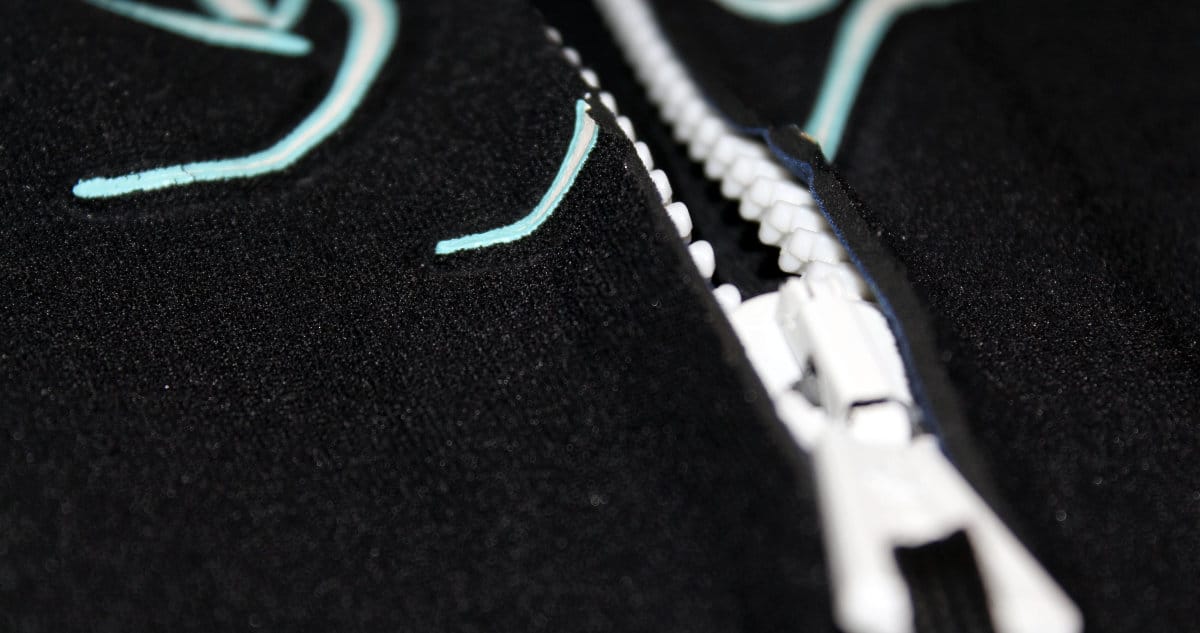
Zipper helps us get in and out of our wetsuit. The longer the zipper the easier that process. But the longer the zipper the more water can flush through it. So some winter suits have special, short zippers. The size and shape of the teeth on the zipper also matters but. Note also that metal zippers are more durable than plastic ones. We are talking about the part that slides up and down, the teeth of the zipper are always plastic. There is also a small Velcro safety belt that stops the zipper from opening.
Bat flap / Bat wing / Dry max / Drain hole etc
Most of winter wetsuits now have an additional piece of neoprene under the zipper. This neoprene membrane is thin and stretchy so it doesn’t bother you too much when dressing, but it stops the water that comes through the zipper and keeps it away from the body.
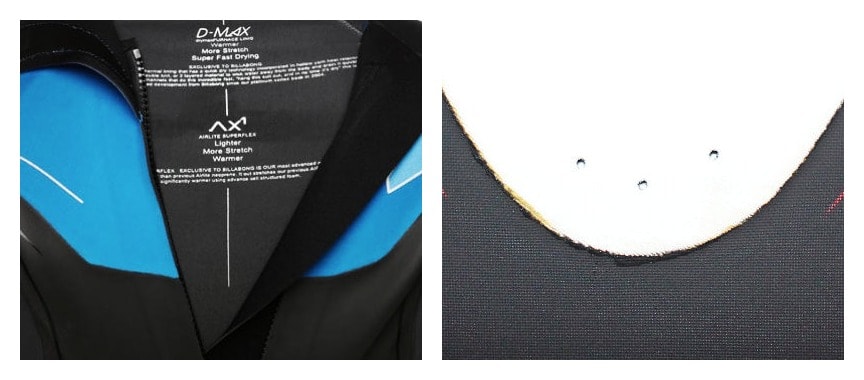
Water caught between the zipper and the membrane then runs down and exits the suit through drain holes at the bottom of the zipper. That’s what those holes are for.
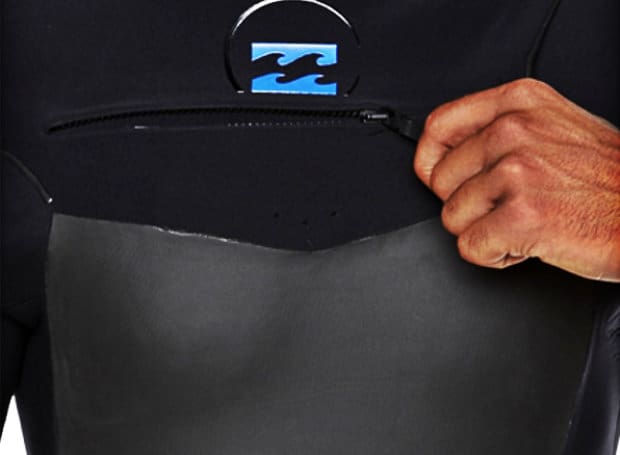
Zipperless wetsuit /Chest zip
How to get into a wetsuit that has no zipper? Most brands had their own zipperless system that more or less successfully let you into the suit. I wrote had, because now most of them were replaced by a short chest zip, so the entry system is no longer completely zipperless.
The benefits of this system are of course no flushing through the zipper and better fit and flexibility. Without the zipper or with short chest zipper the neoprene on our back, chest and shoulders flows freely and is more flexible. The downside is trickier changing into the suit and bigger abuse of neoprene in the place where you try to squeeze yourself into the wetsuit through some ridiculously small hole. I think that this was also the reason they want back to short chest zipper.
Battery Heated Wetsuits
Worlds first heated wetsuit was Rip Curl H-Bomb and it came out in 2007. The idea here is that your wetsuit not only keeps you warm by insulation properties of neoprene but also by generating and radiating heat towards your body. Heating panels are integrated into the wetsuit and connected to a small battery. Electrical power heats the wires in the panels and for the next 1:30-2:30 hours you don’t have to worry about being cold. Yes, the heated wetsuit actually works! There are probably two reasons that this didn’t really catch on – this suit is really expensive and really “necessary” only in the coldest surf environments.
The Heated Vest
Few years later heated wetsuits little brother was developed – the heated vest. The principle of creating warmth is the same but vest has some advantages that made it quite popular:
- it is cheaper and more affordable (300$ vs over 1000$)
- it can be worn under any wetsuits that you already own.
With a heated vest you can turn any of your wetsuits into a heated one, just wear the vest under it. Go here for a full 1st hand review of this vest.
Other Features
Are few terms and features that you might also come across.
Double lined neoprene
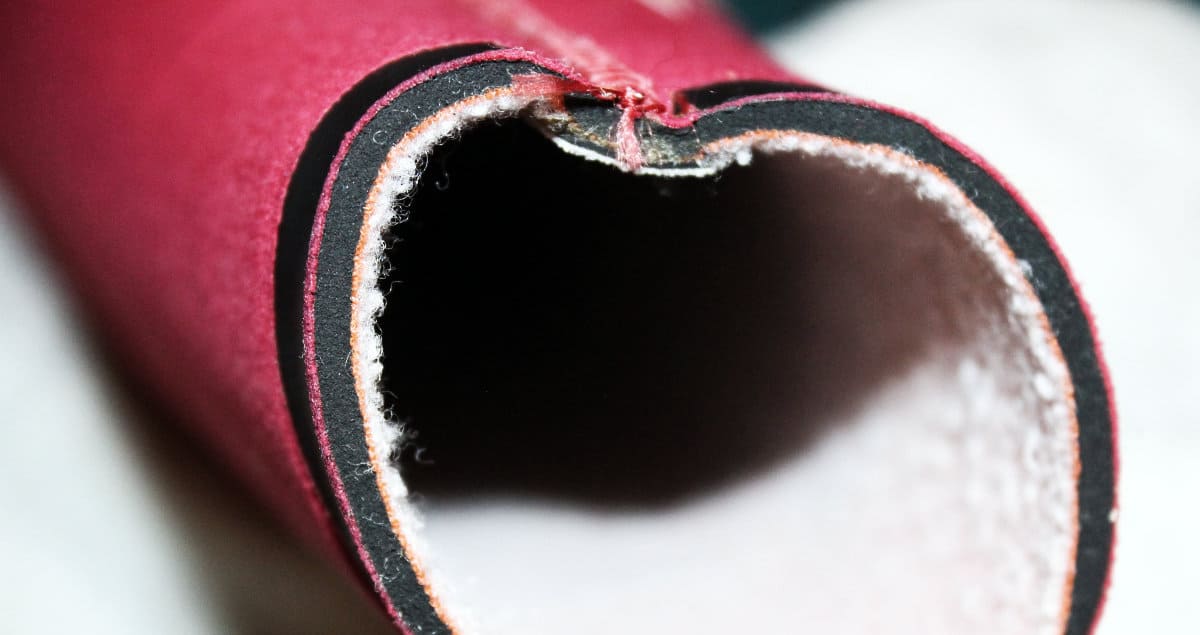
This means that neoprene is surrounded on both sides by a layer of nylon. Nylon on the outer side protect the suit from damage and makes it more durable. Nylon on the inner side stops the neoprene from sticking to your skin.
Single lined neoprene
Same as above, just that nylon in only on one side, the other side looks rubbery. You can see the example of both types on the picture. Single lined neoprene is on the right and looks smoother.
Mesh skin / sharkskin / smooth skin / glide skin / and any other skin
These are all different types of single lined neoprene and are used in places where you want the neoprene to stick to the skin. Places like the collar, and holes for hands and feet. Here you want a good seal to reduce flushing.
In surfing wetsuits it is also often used on the body because it makes the suit warmer in wind. Nylon absorbs some water and makes you colder, but from a smooth single lined neoprene water just runs off. In windsurfing and kite surfing wetsuits you will notice that they have a lot more single lined neoprene because of the constant wind. Lots of times whole suits are single lined.
Neoprene is by itself a very stretchy material, more than nylon. So single lined is more elastic that double lined. The already mentioned downside is that single lined neoprene is more prone to damage. Don’t use it on on parts that get hit by rocks or something, don’t use it on the knees etc… :).
Wrist seals
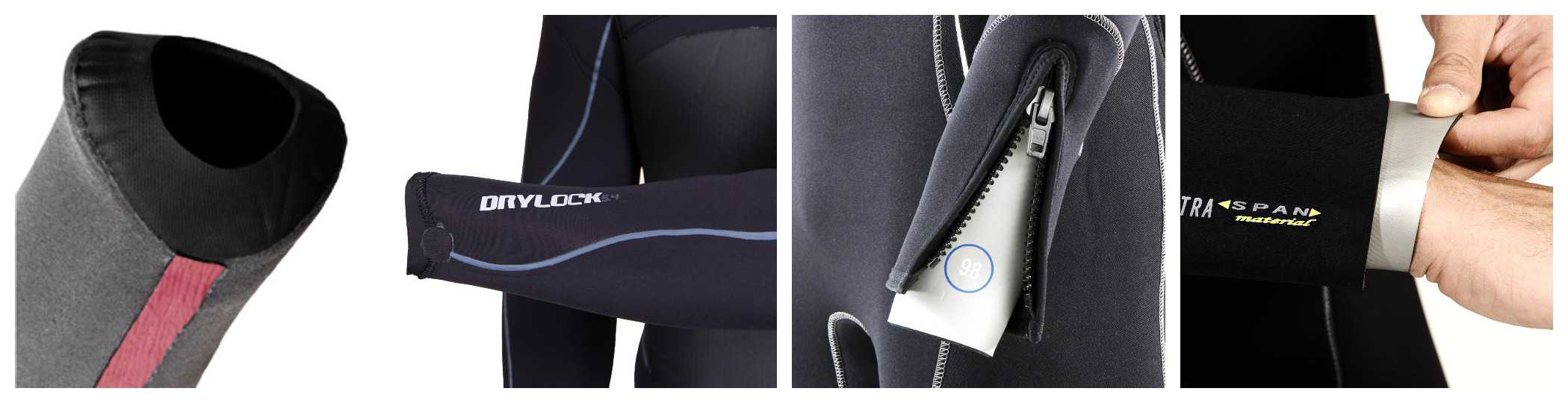
Some brands put extra piece of thin rubbery membrane on the end of wetsuit sleeves (and on top of neoprene booties for instance) to make these holes even more watertight.
Titanium and 2nd generation titanium
A layer of titanium is placed between the neoprene and the nylon. Titanium helps reflect the body heat back into the body and makes a wetsuit warmer. One of the tests mentioned somewhere says that you are supposed to be 24% warmer if your suit is lined with titanium.
Second generation titanium is supposed to be twice as effective as normal titanium.
Super elastic, super stretchy, extra stretchy, maximum elasticity
Most of the wetsuit companies are developing and using some kind of new neoprene that is much more elastic that “old” ordinary neoprene. The word on the street is that all neoprene comes from Japan anyway, so differences between companies can’t be that big. But a difference between an ordinary and a stretchy wetsuit is more than evident.
Wetsuits made from stretchy neoprene are much more flexible – you loose less energy when moving, they fit better, and are more comfortable.
Also – with constant improvements in neoprene flexibility you have to know that what was considered extra stretchy a few years ago is just normal entry model neoprene of today. Yey technology!
Flash Lining / DryMax / Th3rmodry /Aero core / Fire skin / Merino wool etc…
All wetsuits used to be lined just with nylon and that was it. Today the internal lining plays a big part in the best wetsuit out there game. The inside of the suit is where the magic happens, this is what we feel when wearing the suit and this is a place to score some additional extra warmth points. In addition to nylon all sorts of new artificial (and some natural) fabrics are used. The goal if the internal lining is to give you some added insulation and warmth, to be as flexible as the neoprene itself, not to soak up water and to dry as quickly as possible.
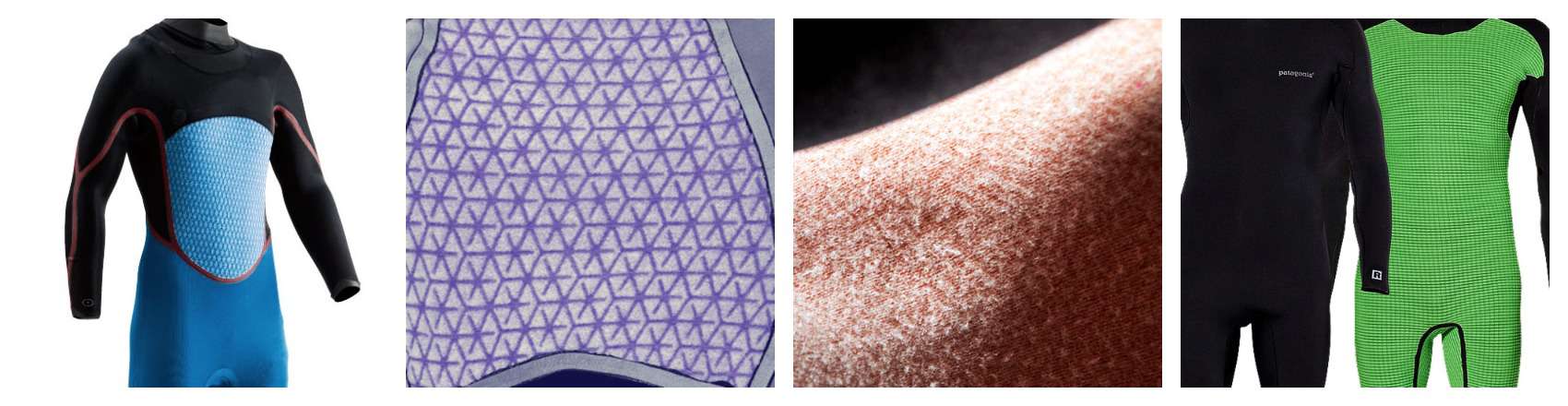
Fibers in this fabric are usually made of polyester and contain large amounts of trapped air, which is one of the best insulation materials. Besides that, fibers are light, they don’t suck in water, dry quickly and are pretty stretchy.
Different brands have different names for these materials. Rip Curl has Flash lining, Billabong has Drymax, XCel has Th3rmody, Patagonia uses merino wool and recycled polyester fibers etc.
Especially Rip Curls Flash lining wicks away water so fast that the lining is dry to the touch in 15 minutes. The neoprene itself is of course still wet, but the part that touches your skin feels dry. Great for putting on a cold wet wetsuit.
Reinforced knees
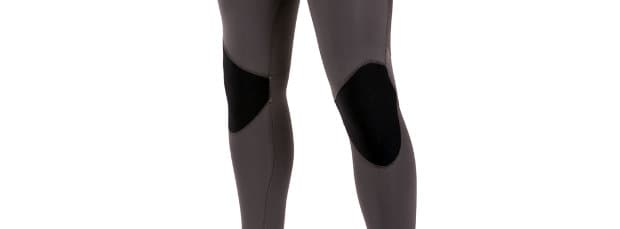
If you are a beginner there is a big possibility that you will spend some time on your knees and even if you are not, some added protection for the knees and for the neoprene on the knees is very welcome. Some wetsuits only have anti-skid print on the knees, some have another patch of neoprene sewn onto the knees, some have knees reinforced with Kevlar. The efficiency of protection kind of rises in that order too.
Anatomic shape and pre-bent knees
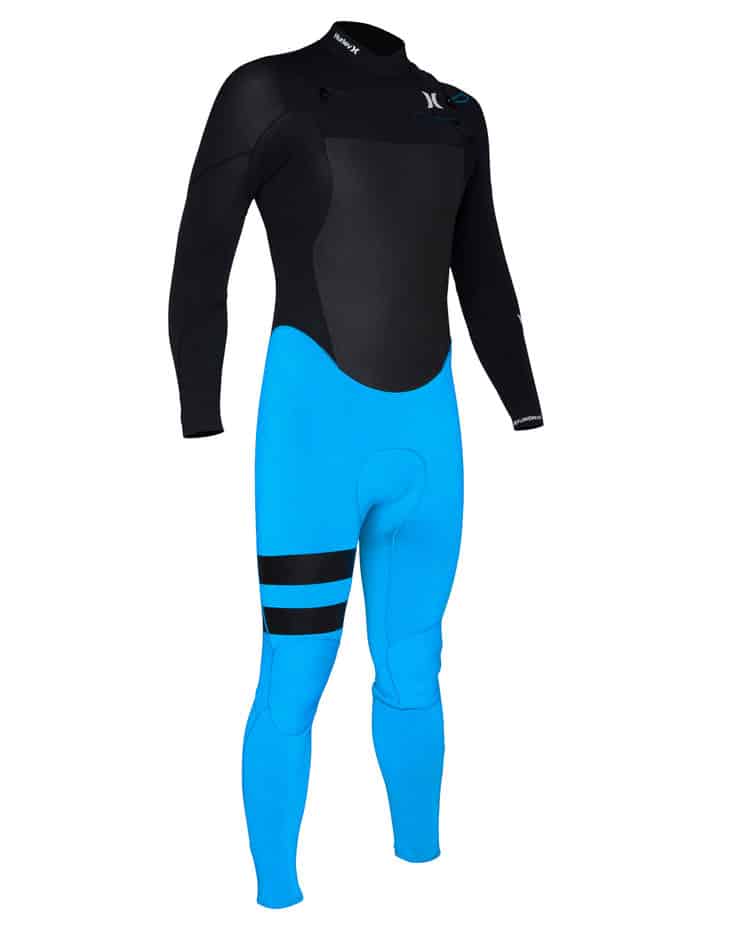
When sewing, the panels are joined in such a way that they mimic the usual posture of your body. This way the natural position of our body is the most comfortable one and it’s less likely that you will get rash from rubbing into the material.
Buying a wetsuit?
If you came all the way to the end you are now a pretty smart buyer :). With all the features mentioned here – what matters most?
Top of the line models should have most of them. But if I had to name two they would be:
- If you want a warm winter wetsuit look for blind stitches with liquid seal or stitchless with liquid seal.
- Get the most stretchy neoprene you can afford! You won’t be sorry.
These two really make the most of the difference. And get one that fits of course.
Expensive models at the moment should be almost seamless. Other features are fine, but don’t get caught in the fancy feature promo talk from companies that can, at the end, only mean a wetsuit has single lined neoprene on the neck or something.
Hope you enjoyed this wetsuit guide. If you did, please share it and give us some feedback!
This is hands down the most comprehensive wetsuit guide I have found so far, nice job!
It is so hard to find honest, free advice from someone online who is not trying to sell the item – making the advice slightly suspect. Thanks for the great info
hey you guyz muchos thanks!! :-*
Great write up. A little more can be found here as well.
Scuba Wetsuit Guide
Great Site! Knew fair amount about wetsuits and now i know more so i can help others in their purchasing of a wetsuit. Come Surf Isla Vista, CA!
Very, very good ,no need to buy rubbish after reading this guide. Go rip
I knew nothing about wet-suits, looked all over the net until I came across this website. For those of us, who are not aware of this secret world of wet-suits, this has been a eye opener. Thanks, for the research and dedication form making this information available.
At least now, I know what to look for when I buy a W-suit
:)
thanks people.. have been surfing for a while and finally convinced to start winter surfing and youve really helped me understand my suit and its benefits..
thanks a ton for some honest talk about looking for wetties. It’s easy to get lost in all the promo stuff out there and I swear I go blank once I walk into the shop. Update this puppy when you can!
First site I landed on. I won’t be needing to go to another wetsuit guide page :) Thanks a ton!
Super informative!! Let the kite season begin!!
I would like to be given some general guidelines for which wetsuit to buy for different water (and maybe air) temperatures. Saying one suit is good in the springs is only somewhat helpful (spring where?? New England?). But overall, I found this website quite helpful, and would certainly recommend it to a friend.
i’m not an average size….rather tall, and find 99% of wetsuits dont fit tight around the lower-back. most leave about inch space :( how big a problem is this since i want heat. planning on buying a wettie with lots of features(liquid and/taped sealed stiching, shortened zip with halfe a “batwing”, streatchy…. makes contact with lower-back, but no a tight fit as with rest of body……expensive suit, and dont want to buy a dud becuase a such a small, yet worrying factor, for the money i’m gonna spend.
what can i say superb, i d buy a wetsuit from you.
Cool guys!! This made my choise much easier!
As a girl from the cold land Norway, I wouldn’t know anything about wetsuits =P Thanks!!!
Well done writer! seriously this is the best free guide I’ve ever found.
Thanks – really useful guide – can now make sense of what wetsuit adverts mean!
thanks a lot for guys like you who find time and effort to share the knowledge to our brothers and sisters.keep up being a human.:-* God speed!:D
Thanks for the great advice, I’m new to Surfing and In Tasmania / Australia it’s really really cold. Your walk through has helped get rid of the jargon and made a lot of sense.
Good guide.
Question: What is the difference between a SCUBA wet suit and a surfing wet suit? I’ve done a lot of SCUBA, and I’m about to go into surfing, and I was thinking of buying my own wet suit.
I know for the same water temperature, SCUBA will be thicker, and that in theory, SCUBA neoprene is higher grade for compressions/decompressions, but is there a difference in fit or mobility or something else? Can I get a tropical SCUBA wetsuit, and use it for windsurfing?
no sucuba suits are less flexible than wetsuits for surfing a a big desighn difference!!!!!!!
Hi
Really excellent news and information provided here about wetsuit. I saw 4 wetsuits images here. I like that third. Really with beautiful colours.
wetsuit
Seriously, this is the best, most informative (without lacking humour ;)) website I’ve ever seen… PERIOD! Awesome work guys- keep it up!!
Peace;D
Thanks for the great wetsuit guide.
You’ve helped me choose my next suit properly.
is there a ‘most flexible’ wetsuit for swimming breast stroke. I’m swimming in a cold bay. I only swim breaststroke.Thanks.
back zip
Thanks for all the helpful info. I’m finally giving in to buying a wet suit after many years of polar bearing the cold water in SoCal.
I am looking for a multipurpose suit for swimming, boogie boarding and snorkeling.
This article really helped.
Thanks so much i just bought a hyperflex with taped seals because of your advice. It fits real snug but i realized on the size chart its made for 5’11 and 35″ waise and i am 6’3 with a 32″ waste, do you think its a problem ?
Hello,
With a heavy heart I write this to inform you of the latest loss to the surfing world. Oniell wetsuits has decided to pull their size XXXL wetsuits from their product line leaving us larger men unable to purchase there fine suits and to be comfortable in colder climates. It was explained to me that the XXXL suits were not profitable enough to continue there production. Rip Curl too has a product line that I had used for some time but their XXXL suits became too short in the legs so I had to move on. This is beginning to look like the trend.
I am not fat nor abnormally formed and arms are not large. I am 6’3″ tall 220. An XXXL is less restrictive in the chest and shoulders, the Oneill XXXL has more stomach pooch material from an XXL to an XXXL though annoying its worth the ability to actually paddle. I have surfed for thirty two years and have purchased new suits just about every year. A 3/2mm and 4/3mm for the winter and a spring and vest in the summer. Two growing boys too close together in age to hand me down and growing fast need full’s, springs, and vests each year and one full and spring for the wife every couple of years. That’s just about seven to ten rubber products a year.
Industry needs to realize that the younger generation that is moving product faster are not the buyers, the older or larger guy is, he is the one that forks out the cash for the entire family. If my loyalty to a company is repaid by the removal of a product that I need to continue the sport I love then what is left to be said about that company. I intend on taking my business, my entire business , suits, apparel accessories on down the road to a manufacturer that values my business enough to realize that I am the one that is their key buyer and I am encouraging my friends to follow.
If you can supply a suit that will get me back in the water I want to hear from you. You will get my business, my family’s business, and every person within screaming distance of every surf break I go to around the world will know that you did not sell out their key buyer and person that helped build their company to what it is today
Thanks! This is the information I have been looking for but really couldn’t find.
What do you know about this new? eco-friendly bioprene (lime based)?
Great advice – have been struggling to find a suit for my 7 year old daughter as kept getting blinded by the science not to mention the sales patter!
Well done guys!! really nice to finally understand what Im looking for!!
Cheers
This may be the most comprehensive page on wetsuits there is. Wow. A masterful job. Thank you.
Thanks for the info. I just tried to get Rip Curl to replace the tape on my F-Bomb. It had a lifetime guarantee on stiching and all they would do is offer me an upgrade,said they couldn’t repair it. I reluctantly said OK if I can keep the old one,she said no, they will make thongs out of the old one. I said no,it is such a waste. I would have paid for the upgrade if she said i could keep it. Never again RipCurl
Loved it…. Particularly the blah blah blahs! Thanks for the succinct, jargonless explanations.
Great guide! Anyone interested in specific recommendations can check out the results of a summer of testing in Iceland. http://www.outsideonline.com. I’d be curious to hear any feedback and happy to answer questions.
Extremely well done! Hard to find such complete and unbiased info, (with a bit of good humor too), these days. Kudos!
sm
My arms bruise easy and I do not need for warmth. Just for protection when I crash riding a flow rider. Please let me know what you suggest.
If you need lots of protection then maybe use elbow protectors, maybe a thinner xc bike ones like POC VPD air? If you want neoprene then a wetsuit top, but here the thicker it is the more protection it give but it is also warmer. So a thick one that would give any noticeable protection would be very hot. 0.5 or 1mm thick top I dont think it gives much protection against bruises.